Kansas might not be the first state that comes to mind when you think about kayaking, but folks who’ve explored its waterways know better. This landlocked state has quietly built a reputation among paddlers for its accessible rivers, calm reservoirs, and surprisingly diverse paddling opportunities.
The numbers tell the story. Over 300 miles of navigable river stretch across the Kansas River and Arkansas River combined. Dozens of public lakes and reservoirs managed by Kansas Department of Wildlife and Parks and the U.S. Army Corps of Engineers offer calm water for beginners and families. Around 40 official public put-ins and take-outs line the two major rivers, making trip planning straightforward for anyone interested in getting on the water.
Whether you’re looking for family-friendly flatwater, multi-day river trips with sandbar camping, or quiet mornings spent wildlife watching in sheltered coves, Kansas delivers. From the historic Kaw winding through Lawrence and into Kansas City to the clear waters of Wilson Lake in central Kansas, here’s your guide to the best paddling the Sunflower State has to offer.
1. Kansas River (The Kaw)

The Kansas River stands as the crown jewel of Kansas kayaking. Designated as a National Water Trail in 2012, this 173-mile waterway runs west to east across northeast Kansas, from Junction City to its confluence with the Missouri River at Kaw Point in Kansas City. Friends of the Kaw, a river advocacy group, has worked for years to improve access and promote responsible paddling on this historic waterway.
Nineteen or more public boat ramps and access points dot the river’s length, with launches in or near Junction City, Manhattan, Wamego, Topeka, Lawrence, De Soto, and Kansas City. Popular day-trip segments include:
- Manhattan to St. George: 9 river miles
- Topeka’s Kaw River State Park to Lawrence: 32 miles that paddlers often break into shorter sections
- Lawrence’s 8th Street ramp to Eudora: Approximately 15 miles.
The Kaw’s character shifts as you navigate downstream. Near Junction City, the Flint Hills provide a scenic backdrop of rolling prairie. Agricultural stretches dominate the middle sections, while urban skylines and riverbank development appear as you approach Lawrence and Kansas City. The river runs mostly as flatwater with gentle current and occasional riffles. Wide sandy channels create numerous sandbars perfect for rest stops and overnight camping where regulations allow.
Friends of the Kaw recommends that beginners stay on the water when flows measure below roughly 5,000 cfs at key gauges, while experienced paddlers should exercise caution above around 8,000 cfs. Low-head dams at Belvue, Topeka, Tecumseh, Lawrence, and Kansas City present serious hazards and must be portaged, so never attempt to run them. The Friends of the Kaw’s interactive access map serves as an essential planning tool you can download before your trip.
For those seeking a longer adventure, a two-day Kaw itinerary featuring overnight sandbar camping offers one of Kansas’s most memorable outdoor experiences. When river levels and regulations permit, paddlers can camp beneath the Milky Way on remote sandbars, falling asleep to the sounds of the prairie river. It’s an experience that surprises people who’ve never considered Kansas as a paddling destination.
2. Arkansas River
The Arkansas River through Kansas earned its National Water Trail designation for good reason. This 192-mile stretch flows south and east from Great Bend to the Oklahoma state line, offering paddlers a different experience than the Kaw. The river passes through some of Kansas’s most remote landscapes, with sandbars, wildlife, and wide-open prairie views.
Key paddling segments break the river into manageable trips:
- Great Bend to Hutchinson: Semi-remote paddling with abundant sandbars and wildlife viewing opportunities.
- Hutchinson to Wichita: Mixes rural scenery with small-town character.
- Wichita to Derby and south toward Oxford: One of the most common day-trip sections, with good access points and local outfitters familiar with the route.
- Oxford to Arkansas City to the Oklahoma border: More isolated, with opportunities for sandbar camping where allowed.
The Arkansas presents a different challenge than the Kaw. The river often runs braided with shifting channels and sandbars, and depth varies dramatically by season. Flow depends heavily on rainfall and upstream water use. Late summer dry spells can leave the river too shallow for comfortable paddling. Occasional riffles and small drops keep things interesting, though the river generally stays at Class I difficulty.
Plan carefully before launching on the Arkansas. Check USGS gauges for readings near Hutchinson and Wichita before committing to a trip. Paddling in pairs or groups makes sense here due to changing channels and the potential for getting stranded on shallow bars. Some stretches pass through private land, so camp only on public sandbars or where local regulations explicitly permit it. Near Derby, south of Wichita, you’ll find popular launch points commonly used by local outfitters and experienced paddlers who know the water well.
3. Tuttle Creek Lake
Tuttle Creek Lake offers big-water paddling just minutes from Manhattan, KS. This large reservoir spans 12,500 acres and provides paddlers with coves, marinas, and easy access through Tuttle Creek State Park. The drive from Manhattan takes roughly 10 minutes, making it an ideal spot for a morning or afternoon paddle when river conditions don’t cooperate.
The lake features multiple public boat ramps and designated areas for small watercraft. Tuttle Creek State Park operates rental services during the main paddling season, so folks without their own kayak can still enjoy the water. Protected coves along the shoreline offer calmer paddling when wind picks up on the main lake body, making this a solid choice for beginners building their skill level.
Wildlife watching opportunities abound here. The lake’s coves and inlets attract herons, eagles, and various waterfowl throughout the year. Early mornings tend to offer the calmest water and best wildlife viewing.
4. Clinton Lake
Clinton Lake sits about 20 minutes west of Lawrence, making it one of the most accessible paddling destinations for folks in the Lawrence and Topeka area. This popular reservoir draws paddlers with its sheltered coves, diverse wildlife, and the amenities available at Clinton Lake Marina.
Birding enthusiasts find Clinton Lake particularly rewarding. The wetland areas surrounding the lake host over 200 bird species throughout the year, including great blue herons, bald eagles during winter months, and numerous waterfowl during migration seasons. Paddling quietly through the coves provides opportunities to observe wildlife that shoreline visitors rarely see.
Public boat ramps and swim beaches provide multiple launch options around the lake. Kayak rentals are typically available nearby during the main season. The lake works well for families, beginner paddlers, and anyone seeking a peaceful day on calm water without the variables that river paddling introduces.
5. Cheney Reservoir
Cheney Reservoir sits about 20 miles west of Wichita, offering wide-open paddling that appeals to more experienced kayakers. The reservoir’s size and exposure to Kansas winds create conditions that can challenge paddlers accustomed to sheltered coves and calm lakes.
The consistent wind that makes Cheney challenging for beginners also attracts paddlers who enjoy a workout. On calmer mornings, the reservoir offers excellent flatwater paddling with expansive views across the prairie. Public boat ramps at Cheney State Park provide easy access, and park concessionaires typically offer kayak rentals during the main season.
Cheney works best for paddlers comfortable with open water and wind conditions. The driving distance from Wichita makes it convenient for day trips, and the state park amenities mean you can easily combine paddling with other outdoor activities.
6. Cowley State Fishing Lake
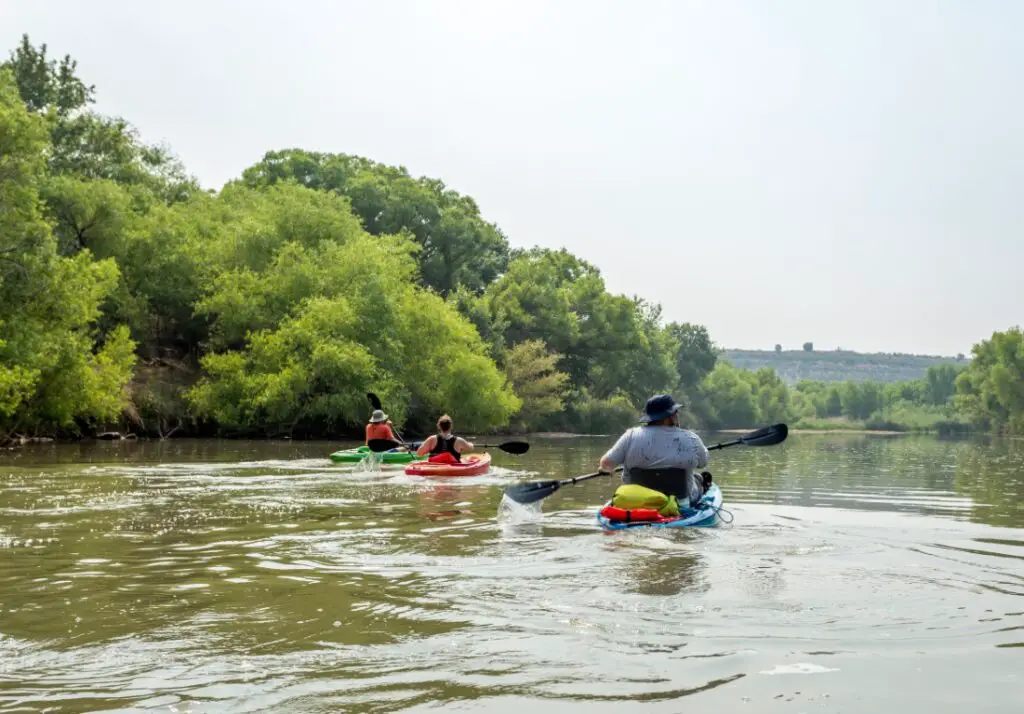
Cowley State Fishing Lake near Arkansas City offers an intimate paddling experience that larger reservoirs simply can’t match. This small scenic lake features a seasonal waterfall on its east side that runs best in spring and after significant rains, a unique sight that surprises paddlers who discover it.
The lake supports populations of largemouth bass, channel catfish, and bluegill, making it popular with kayak anglers. Paddlers who enjoy combining fishing with their time on the water will find good opportunities here. The peaceful atmosphere appeals to those seeking solitude rather than crowds.
Access is straightforward with a public boat ramp suitable for small watercraft. The drive from Wichita takes roughly an hour and a half, while Arkansas City sits just minutes away. Kayak rentals are not typically available at the lake itself, so plan to bring your own gear or rent elsewhere before making the trip.
7. Fall River Wildlife Area
Fall River Wildlife Area in southeast Kansas delivers some of the state’s most scenic paddling, particularly during October when fall foliage transforms the riverbanks. The 8 to 12 mile stretches here feature gentle current, small rapids, and colorful bluffs that create memorable paddling experiences.
The area appeals to intermediate paddlers who want slightly more engaging water than flatwater lakes provide. Small rapids add interest without presenting significant challenges for paddlers with basic river skills. Wildlife viewing opportunities remain strong throughout the paddling season, with deer, turkey, and various bird species commonly spotted from the water.
Public access points allow for day trips of varying lengths. The drive from Wichita takes approximately two hours, making Fall River more of a destination trip than a casual afternoon paddle. Bringing your own kayak is the best approach here, as rental options in the immediate area remain limited. Fall weekends draw paddlers specifically for the foliage, so expect company during peak color season.
8. Neosho River
The Neosho River originates near White City and winds through southeast Kansas in a crooked, meandering path that feels worlds away from the state’s larger waterways. Paddlers seeking less-crowded, more remote-feeling trips find what they’re looking for on the Neosho.
Flows on the Neosho vary dramatically by season, making gauge checking essential before any trip. When water levels cooperate, the river offers peaceful paddling through wooded corridors and rural landscapes. The winding nature of the river creates frequent bends that reveal new scenery around every turn.
Public access points exist along the river, though they’re less developed than those on the Kansas or Arkansas rivers. The drive from Kansas City takes roughly two hours to reach good put-in locations. Rental availability is limited in this area, so most paddlers bring their own boats. Those willing to do the planning find a river that rewards with solitude and natural beauty.
9. Verdigris River
The Verdigris River offers scenic, shaded, and often quiet paddling with popular stretches near Coffeyville and the Oklahoma border. This southeastern Kansas waterway attracts paddlers looking to escape the more trafficked routes without traveling out of the state.
Tree-lined banks provide shade that makes summer paddling more comfortable than on exposed reservoirs. The Verdigris tends to run quietly, with most stretches suitable for paddlers of varying skill levels. Wildlife sightings are common along the wooded corridor, and the overall atmosphere feels genuinely remote despite reasonable access.
Public boat ramps provide access near Coffeyville and at several points along the river’s Kansas section. The drive from Wichita takes approximately two hours. As with other southeastern Kansas rivers, rental options are limited locally, making personal boat ownership or advance rental arrangements necessary for most paddlers.
10. Wilson Lake
Wilson Lake earns its reputation as one of the clearest lakes in Kansas, with remarkably glassy water and a rocky shoreline that sets it apart from the state’s other reservoirs. Located in central Kansas near I-70, the lake offers paddling conditions that feel more like the Ozarks than the prairie.
The clear water and rocky features create excellent conditions for exploring coves and shoreline areas. Visibility into the water adds a dimension to paddling that murky Kansas rivers simply don’t provide. The lake appeals to photographers, casual paddlers, and anyone who appreciates natural scenery on the water.
Wilson State Park provides public boat ramps and access points around the lake. The drive from Kansas City takes approximately three hours, making Wilson more of a weekend destination than a quick day trip. Rental availability exists through state park concessionaires during the main season. Early mornings offer the best combination of calm water and dramatic light on the rocky bluffs.
Safety Tips, Regulations, and Best Seasons for Kansas Kayaking
Kansas paddling generally welcomes beginners, but conditions can turn dangerous quickly. Changing flows, low-head dams, and weather extremes demand respect and preparation from every paddler.
Life Jacket Requirements
Kansas law requires U.S. Coast Guard–approved life jackets on board for every paddler. Children under 12 must wear them at all times. Beyond legal requirements, the strong recommendation stands that all paddlers wear a properly fitted PFD throughout their trip, not just keep it nearby. A whistle or sound-producing device is also required on rivers and larger lakes.
Seasonal Guidance
Plan your trips around Kansas’s distinct paddling seasons:
- Spring (April–May): Higher flows and cooler water. Hypothermia risk is real, so wear layers and consider wetsuits or dry wear for cold-water days.
- Summer (June–August): Warm water but intense sun and heat. Fast-moving thunderstorms and severe weather are common in late spring and summer—stay aware of alerts and forecasts.
- Fall (September–October): Delivers the best combination of moderate flows, mild temperatures, and colorful foliage, especially on Fall River, the Kaw near Lawrence, and along wooded lakes.
Flow and Hazard Awareness
Checking USGS gauges before launching on the Kansas or Arkansas rivers protects you from unexpected conditions. Friends of the Kaw provides guidelines on safe flow ranges for different skill levels—information worth having before you plan your route.
Low-head dams present the most serious hazards on Kansas rivers. These structures at Belvue, Topeka, Tecumseh, Lawrence’s Bowersock Dam, and Kansas City on the Kaw create dangerous hydraulics that have killed paddlers. Never attempt to run them—portage around without exception. After heavy storms, debris and higher flows can hide snags and strainers that pose additional risks.
Kansas winds create difficult conditions on open reservoirs like Cheney and Wilson. Check forecasts and plan to navigate exposed water during calmer morning hours when possible.
Come Experience Kansas From the Water
Kayaking in Kansas promises an experience that will surprise people who’ve never paddled here. The historic Kaw offers everything from quick morning paddles near Manhattan to multi-day adventures with sandbar camping under prairie skies. The Arkansas River winds through remote stretches where you might not see another person for hours. Clear-water lakes like Wilson and intimate spots like Cowley State Fishing Lake provide alternatives when you want calm water and scenic views.
Whether you’re planning a peaceful paddle with friends on Clinton Lake or mapping out a challenging trip down the Arkansas near Great Bend, Kansas has water waiting for you. The details and information you need are increasingly available through state resources and advocacy organizations. For those ready to explore beyond Kansas, we’re here to help you find the best places to kayak anywhere… but don’t overlook what’s right here in America’s heartland.
